
NEW YORK — Martin Scorsese is developing a TV series based on “Gangs of New York,” praised and criticized on historical grounds. Will the TV series suffer the same?
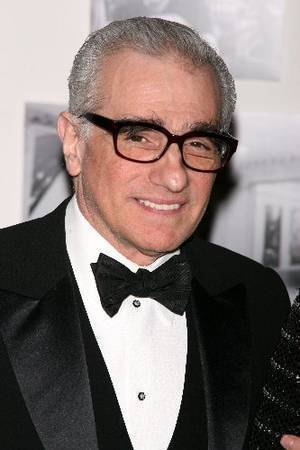 The director is partnering with Miramax, which released the Oscar-nominated film starring Leonardo DiCaprio and Daniel Day-Lewis. The planned show doesn’t yet have a TV network.
The series expands on the brutal, 19th-century New York gang world of the film. Miramax says the series will chronicle the birth of organized crime in not just New York but also in cities such as Chicago and New Orleans.
In a statement Thursday, Scorsese says the era was too rich to fully explore in a two-hour film. He says the series “allows us the time and creative freedom to bring this colorful world, and all the implications it had and still does on our society, to life.”
“Gangs of New York” released in 2002, was praised for its accurate depiction of gang rivalries in mid-19th century Manhattan. It was also highly criticized for erasing the historical role of African-Americans in the Five Points neighborhood at that time in New York.
Five Points was the original American melting pot, at first consisting primarily of newly emancipated African Americans (gradual emancipation led to the end of slavery in New York on July 4, 1827) and Irish, who along with free Africans, had been a presence in small numbers in the area since the 1600s.
 The tensions between the African-Americans and the Irish were legendary. The Irish started the Anti-abolitionist riots of 1834, Also known as the Farren Riots. The riots occurred in New York City over a series of four nights, beginning July 7, 1834. The Irish were fighting both British Anglo-Saxon Protestant nativism and abolitionism as well as the fear and resentment of Blacks whose numbers were swelling as more freed slaves moved north for safe harbor after 1827. Among the casualties of the riots was St. Philip’s Episcopal Church an African-American church at 122 Centre Street, sacked and looted by the mob.
In 1827, Great Britain loosened its iron-grip on Irish immigration and allowed an influx of 20,000 Irish. By 1835, more than 30,000 Irish arrived in New York annually, vying with freed African-Americans for work and a place to live.
The New York City Draft Riots, depicted in the film as being a property-rights issue, were actually a race-riot triggered by Irish resenting Abraham Lincoln’s drafting them to fight in the Civil War to emancipate African-Americans from slavery.
A film whose principal issues are immigration and the civil war, and which strove for its realism, should have featured a few African-American characters in it. Will the new TV series suffer the same problem?